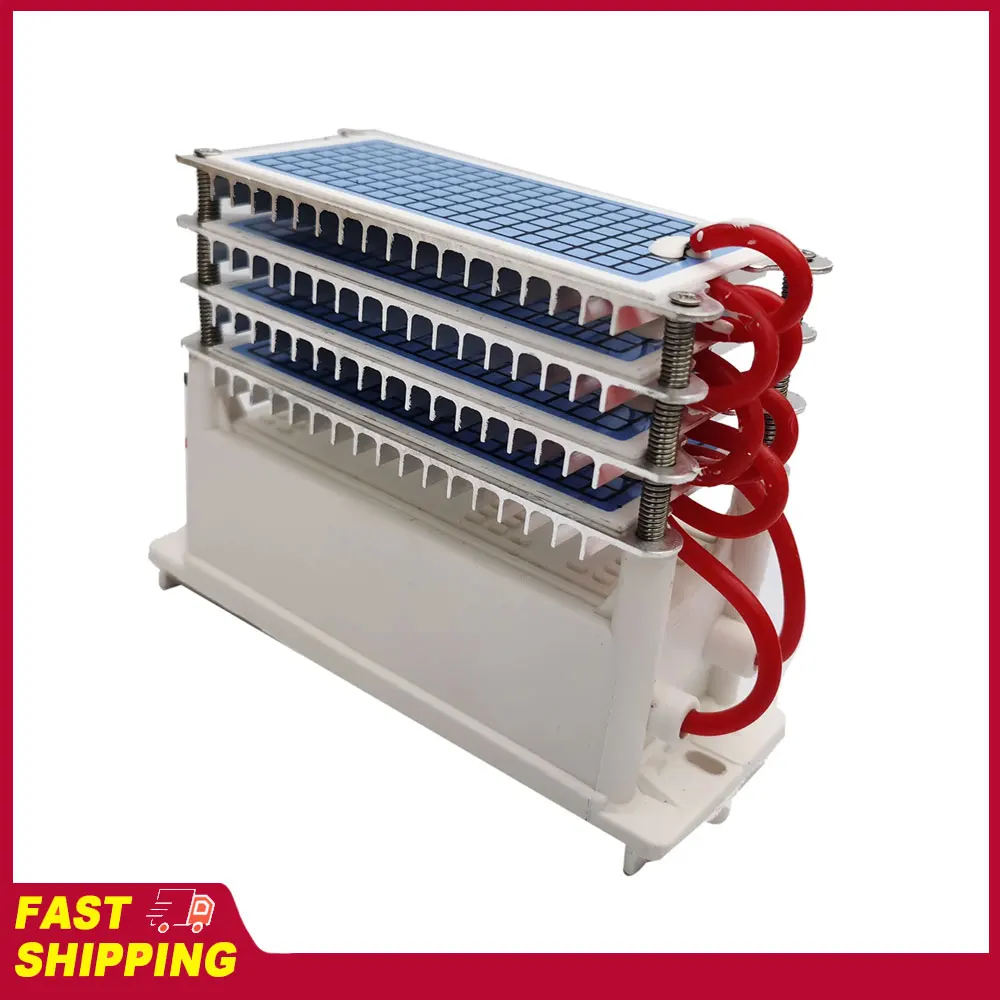
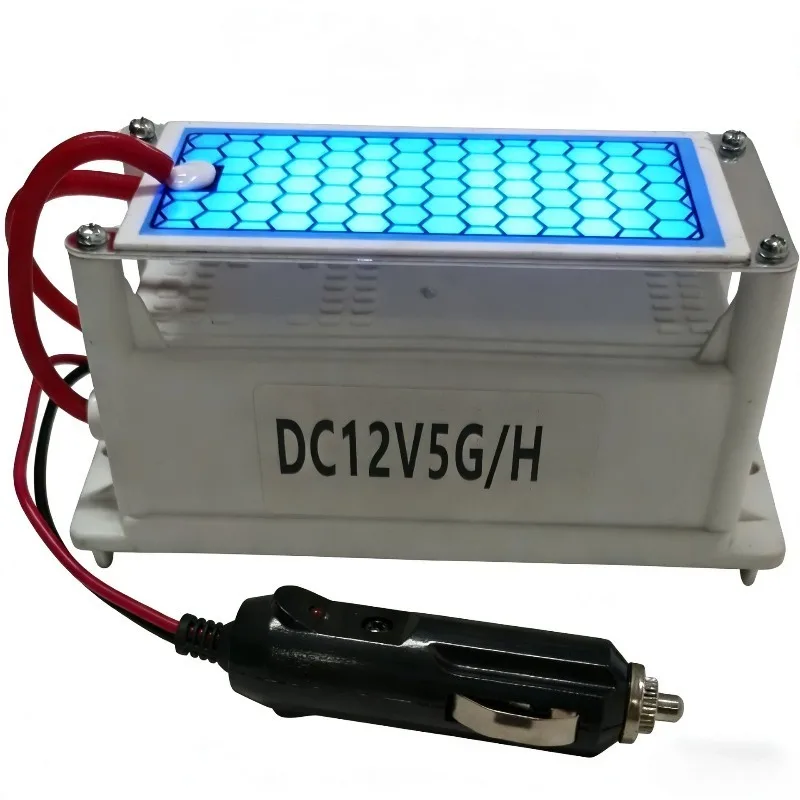
The ozone plate or tube is the part that wears out first. Replacing it can be cheaper than buying a new machine, as long as you pick the right part.
Only work on the unit if you are comfortable with mains-powered electronics, and unplug it first.
Signs the plate is worn
Weaker smell of ozone, longer treatment times or no output at all are signs the plate has faded or failed. First rule out a faulty fan, loose connector or dirty vents.
Match size and connector
Measure the old plate, note the connector type and compare the dimensions with the listing. Photos of the original part help when you contact the seller.
Match the driver board
Plate output ratings should match the driver board. A mismatch can give weak output or burn the plate out quickly.
Ceramic plate or quartz tube
Ceramic plates are common in small consumer units. Quartz tubes are used in larger designs. Do not swap one for the other unless the design allows it.
Stay safe
Unplug and let the unit cool. Do not touch the plate or driver when powered. Test the repaired unit only in an empty, ventilated space.
Frequently asked questions
How often should I replace the ozone plate?
It depends on use and quality. Replace it when output drops.
Can I use a higher-rated plate?
Only if the driver board supports it. Otherwise the plate or driver can fail.
Is it worth repairing a cheap unit?
Sometimes. If a matching plate costs less than half of a new unit, repair can make sense.