The two are often mixed up in listings, and some products are sold as "ozone air purifiers". They do different jobs and have different risks.
In short: ozone generators are for odors in empty rooms. HEPA purifiers are for cleaner air while you are home.
What each one does
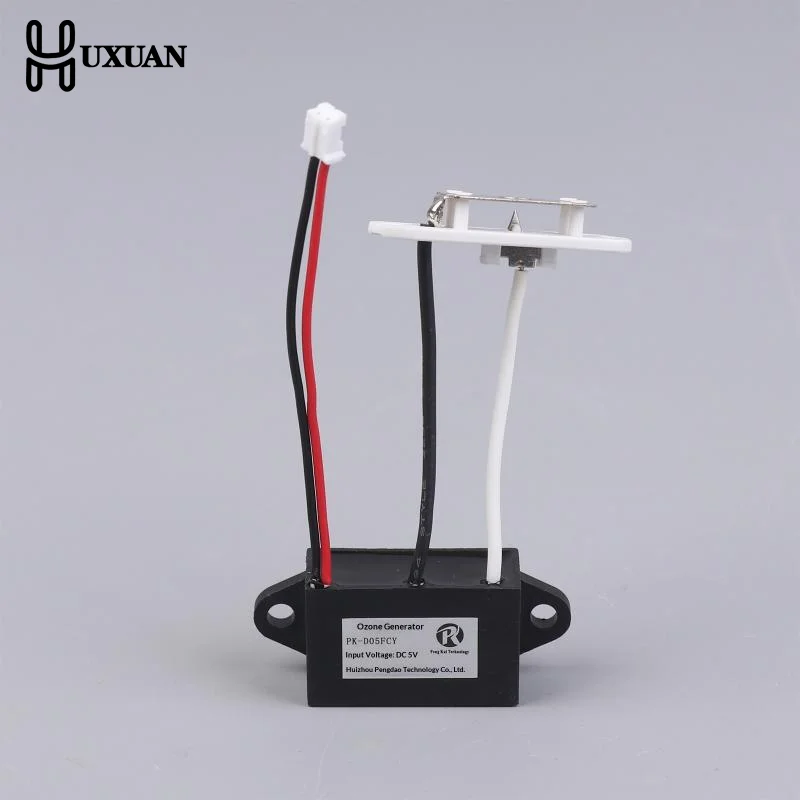
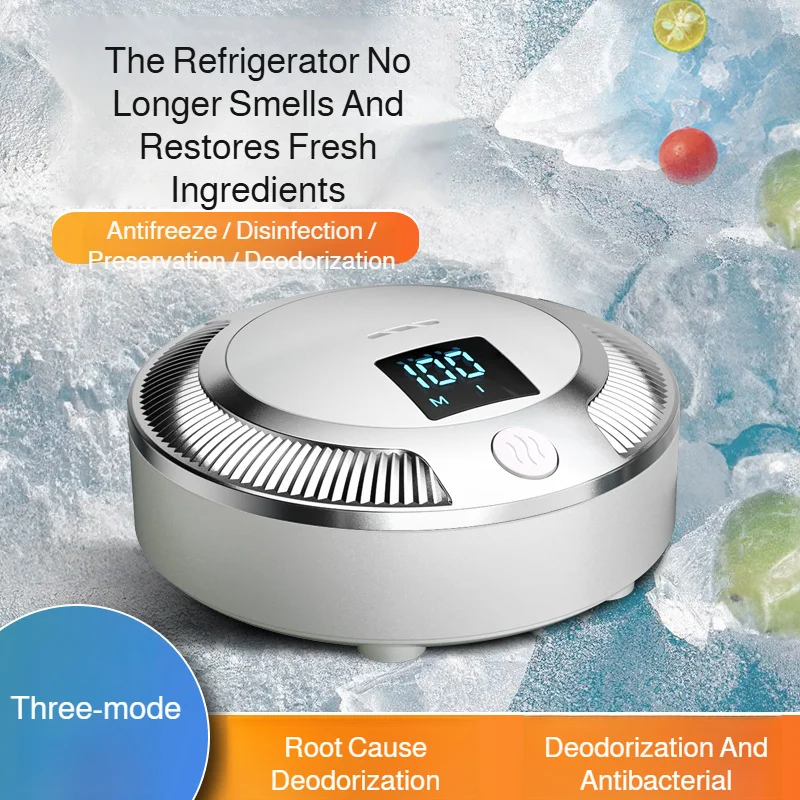
An ozone generator creates ozone, a reactive gas that breaks down some odor molecules. An air purifier pulls air through a filter, usually HEPA, and traps particles such as dust, pollen and smoke.
Safety difference
Ozone is a lung irritant and must only be used in empty rooms. A HEPA purifier without ozone is designed for use while you are in the room.
What each does well
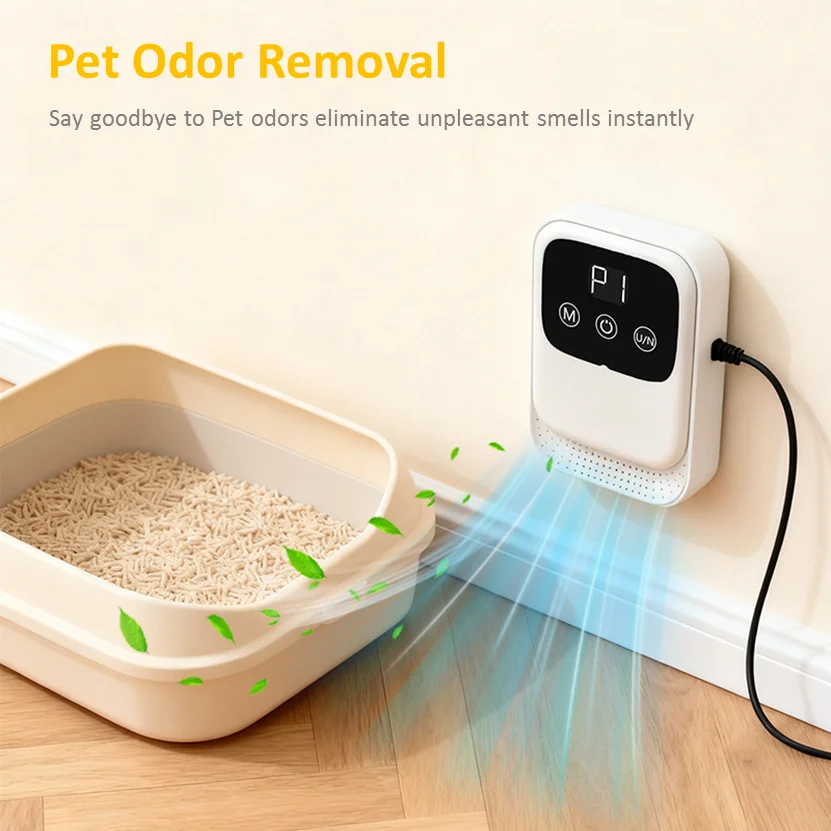
Ozone is used for odor control after smoke, pets or damp. HEPA purifiers help with airborne particles such as dust, pollen and pet dander. Neither is a substitute for cleaning or fixing the source.
Read the label
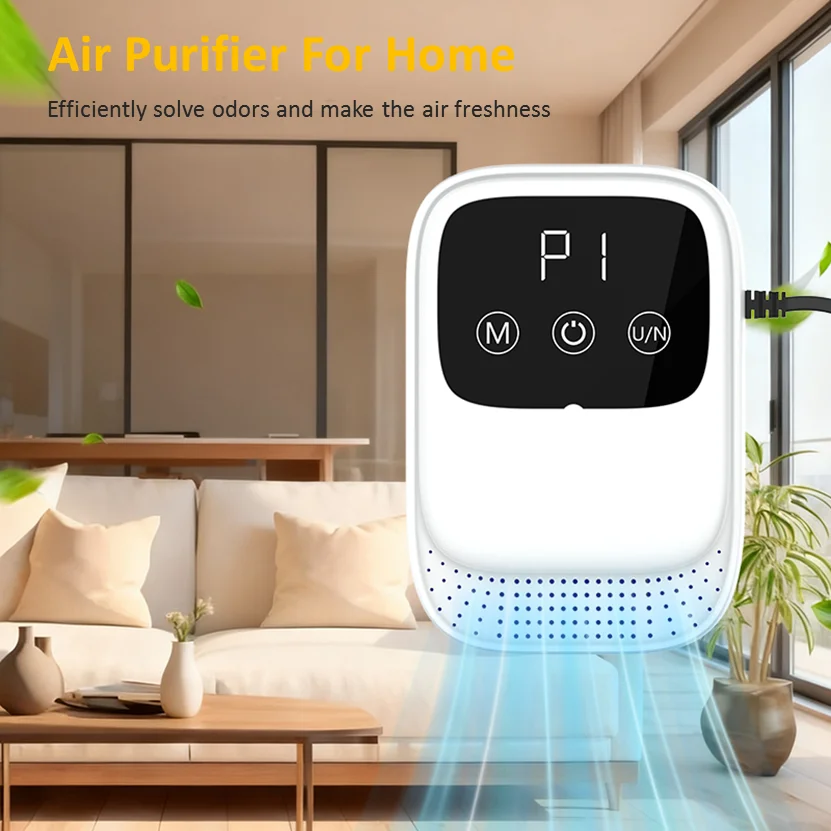
If a listing says air purifier but also lists ozone output in mg/h, it is an ozone generator. Look for products that state they do not produce ozone if you want to use them around people.
Which to buy
Choose a HEPA purifier for daily use. Choose an ozone generator only if you have a specific odor job in an unoccupied space and you can follow safe procedures.
Frequently asked questions
Can an ozone generator replace an air purifier?
No. It does not filter particles and can irritate the lungs.
Are ionizers the same as ozone generators?
Not quite. Ionizers produce ions and can produce some ozone as a byproduct. Check the listing.
What does the EPA recommend?
The EPA advises against ozone generators as air cleaners in occupied spaces and recommends source control, ventilation and filtration.